Casino myths debunked What you really need to know
Understanding Randomness in Gambling
One of the most pervasive myths in the casino world is that certain games are “due” for a win after a series of losses. This belief often stems from a misunderstanding of how randomness works in games of chance. In reality, each outcome in games like slots or roulette is independent of previous results. Casinos use random number generators (RNGs) to ensure fairness, meaning past events do not influence future results. Players looking for new online casinos should keep this in mind to avoid falling for such fallacies.
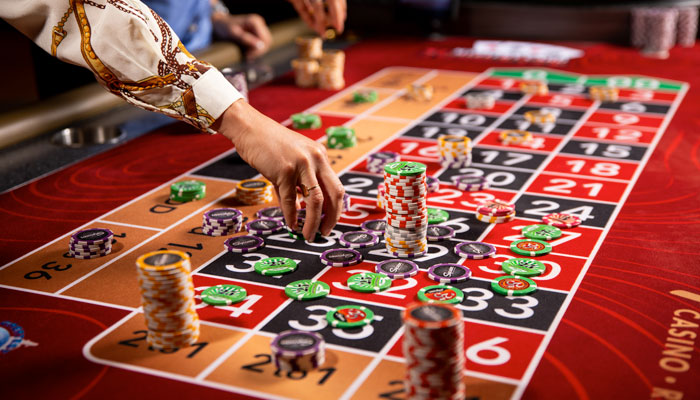
This misconception can lead gamblers to chase losses, believing that they can time their bets based on past outcomes. However, this strategy often results in increased losses rather than the anticipated wins. Understanding the true nature of randomness can help players approach gambling more rationally and enjoy the experience without the burden of misguided beliefs.
The House Edge Explained
Another common myth is that players can consistently beat the house edge through skill or strategies. While it is true that some games, like poker, allow for skill-based play, most casino games are designed with a built-in advantage for the house. This edge ensures that, over time, the casino will earn a profit regardless of short-term fluctuations in player winnings.
The notion that one can overcome this edge through tricks or strategies often leads to disappointment. It’s crucial for players to understand that the house edge is a fundamental part of casino operations, and while strategies may improve play, they cannot eliminate the statistical advantage that casinos hold.
The Myth of Lucky Numbers and Superstitions
Superstitions play a significant role in gambling, with many players believing in lucky numbers or rituals that can influence outcomes. Whether it’s wearing certain colors, carrying a lucky charm, or choosing specific numbers, these beliefs can create a psychological comfort that players find appealing. However, no amount of superstition can change the mathematical reality of game outcomes.
While these rituals can make the gambling experience more enjoyable and provide a sense of control, they do not enhance a player’s chances of winning. Recognizing the difference between belief and reality can lead to a more grounded approach to gambling, focusing on enjoyment rather than reliance on luck.
The Illusion of Control in Gambling
Many gamblers fall prey to the illusion of control, believing they can influence outcomes through their choices and behaviors. This is particularly true in games like blackjack or poker, where players can make decisions that affect their chances of winning. However, the reality is that while skill can influence some aspects of these games, many elements remain out of the player’s control.
The belief that one can control random outcomes can lead to risky behavior and poor decision-making, often resulting in significant losses. Acknowledging the limits of control in gambling can foster a healthier relationship with gaming and promote responsible gambling habits.

Prioritizing Security and Enjoyment
While understanding the myths surrounding casinos is important, it is equally crucial to prioritize security and enjoyment when engaging in gambling activities. Many online platforms today offer secure environments for players, ensuring their data and financial information is protected. This focus on safety allows players to enjoy their gaming experience without the worry of online threats.
Moreover, responsible gaming practices should always be at the forefront. Understanding the myths can help demystify gambling, allowing players to enjoy themselves while being mindful of their limits. By choosing reputable platforms that prioritize user security, players can create a safe and enjoyable gambling experience, free from the pitfalls of common misconceptions.